Is A Career As A Bookkeeper Or Accountant Right For You?

By editor,

bookkeeping program

As the unemployment rate slowly decreases, more and more people are looking for jobs. Many of these workers will find a growing demand for new bookkeepers and accountants. Following either of these career paths could be rewarding both financially and personally.


Favorable Personality Traits Helpful For Success In The Field

Certain personality traits can help you succeed as a bookkeeper or an accountant. These include:


  1. Attention to detail – Bookkeepers, and accountants must be precise in their work to ensure accuracy. For example, every transaction should get recorded in the correct journal or ledger. And, the balances from these ledgers should always match these entries.
  2. Multi-tasking skills – Often, accounting and bookkeeping professionals must work on several projects simultaneously. For example, a bookkeeper might have a billing client and another that needs its taxes calculated.
  3. Analytical thinking – It’s vital for both bookkeepers and accountants to always look for ways to examine financial data and identify patterns.
  4. Comfortable with math – Bookkeeping and accounting requires a basic understanding of math concepts, including addition, subtraction, and working with decimals and fractions.
  5. Problem-solving skills – Problem-solving skills come in handy when resolving errors or discrepancies. Bookkeepers and accountants must think critically and find solutions.
  6. Organizational skills – If you’re a bookkeeper or accountant, you will need to keep all of your records in an orderly fashion to prevent errors. In addition, you’ll need to be good at managing files and keeping important information readily available.
  7. Ability to work under pressure – It’s rare for these professionals to have long periods off between projects, so staying productive and focused amid pressure is essential.


Where Can Bookkeepers Or Accountants Get Hired?

Bookkeepers and accountants find employment in a variety of places, including:

  • Accounting firms – Accountants can seek work with an established firm with several clients they need help keeping track of or specializing in specific areas like taxes or auditing.
  • Small businesses – A growing number of small businesses are hiring bookkeepers to help keep track of their finances and manage their day-to-day operations.
  • Nonprofit organizations – These organizations need people who can keep track of donations, expenses, and grants.
  • Government agencies – Government entities at all levels, from municipal to federal, often have accounting and bookkeeping positions.

The bottom line is that if you’re detail-oriented, have good math skills, and enjoy solving problems, a career as an accountant or bookkeeper could be an excellent fit for you. With high demand and the ability to work independently, it’s a position that offers many benefits.


The Process Of Becoming A Bookkeeper Or An Accountant

Different paths can get taken to become a bookkeeper or an accountant. Those interested in a career path in either of these fields can jump-start their career by taking courses and gaining certification from MBS Careers. Once you have the appropriate training, you can start your own business or seek employment at one of the many places where bookkeepers and accountants are needed.

Learning Computerized Accounting is a Good Choice

By editor,

What Is Computerized Accounting?

In today’s day and age, people entering the workforce or changing their careers face some choices. For example, they can learn a job-specific skill that is relatively easy to pick up to get a job right away. Or, they can commit to a longer learning track at a traditional college.

Alternatively, they can start with whatever skills and experience they have and learn the specific combination of skills that will help them along their career path. For many people in business-oriented careers, learning computerized accounting is a good choice for more than one reason.

What Is Computerized Accounting?

Computerized accounting is an umbrella term for any accounting that uses computers to store information, manipulate data, and tell the financial story of a company or an individual.

Are Any Special Skills Needed To Learn Computerized Accounting?

No special skills are needed to learn computerized accounting. What is required is the ability to read and understand technical instructions and good analytical skills. Some people with backgrounds in finance or business might have an easier time learning some of the more complicated tasks. Still, anyone who desires to create a brighter future for themselves and their family should invest time researching this career path.

What Is The Demand For Computerized Accountants?

As workforce demands continue to change and evolve, more businesses are turning to computerized accounting programs. In addition to setting up accounting systems for small companies, large corporations, and everything in between, the accountant must also be familiar with software programs designed specifically for financial analysis. As a result, the computerization of accounting is rapidly taking over all areas of the industry.

What Are The Benefits Of Learning Computerized Accounting?

Opportunities in the field of computerized accounting are growing. As a result, the salary and job growth expectations for those in computerized accounting are also rising. Computerization helps accountants do their jobs more efficiently, which means they can spend less time on clerical tasks and more time focusing on the big picture of an organization.

Job security is another crucial benefit of learning computerized accounting. With so many companies adopting computerized accounting, it’s easier to secure steady employment in the field. Finally, the number of colleges offering computerized accounting degrees is growing. One of the most significant benefits for students is learning at their own pace and focusing on specific areas within this field that are important to them.

What Is The Job Outlook For This Profession?

Computerized accountants can expect to find many job opportunities. Demand for workers continues to increase, and the number of available jobs posted on Indeed.com has risen by more than 57% in the past year alone. In addition, accountants with computerized accounting knowledge are in demand. Their training allows them to handle everyday tasks and understand and work with the most up-to-date financial analysis and reporting software.

Computerized accounting is fast becoming an industry standard, with more businesses turning to computerization to save their time and valuable resources while keeping their accounting in line. As a result of this shift, opportunities for those who want to learn computerized accounting are beginning to grow. For those who don’t know much about it, computerized accounting may seem intimidating. But this field is easier than ever to enter and learn, with many colleges offering specialized programs in computerized accounting.

What Are Some Related Alternative Careers?

Related alternative careers include financial analyst, accountant, auditor, tax preparer, bookkeeper, and project manager.

Why Is Learning Computerized Accounting Beneficial For Career Growth?

Computerized accounting offers career growth for two reasons. Firstly, it allows accountants to spend less time on clerical tasks to focus more on strategic planning and analysis within an organization. Secondly, there is an increasing demand for computerized accountants, making it easier to find steady employment.

What Is The Difference Between Computerized Accounting And Manual Accounting?

The difference between computerized and manual accounting is that manual accounting does not require specialized software or technical know-how, which means that anyone can perform manual accounting tasks using materials found in office supply stores for data entry and calculations. In contrast, those who work with computerized accounting have an advantage over manual accountants because software programs automate the data entry process and allow accountants to conduct a deeper analysis within their organizations.

For anyone wishing to learn more about launching their career in computerized accounting, learning the basics of this field is essential. MBS Career Institute teaches everything you need to know to establish your career path. Don’t hesitate to contact us to discuss your career goals and objectives today!


Accounting and Bookkeeping courses in MBS Career Institute

By editor,

computerized accounting quickbooks

With recent disruptions to people’s regular routines, many had a chance to slow down and rethink what their future looked like, especially for people who were already weighing a career move. The workforce has taken a different turn in the past decade, and it’s vital to be proactive to find opportunities that fit you best.

If you want to stake new ground in your career, forging a path as a professional bookkeeper or accountant offers great promise.

How Are Bookkeepers And Accountants Different?

While the terms’ bookkeeping and accounting sound quite similar, there are differences in these professional titles. Becoming an accountant or CPA in New York requires quite a bit more education than simply becoming a bookkeeper or bookkeeping clerk. Accountants typically must take specific courses in college, including advanced math and business classes, before they can take the CPA exam.

On the other hand, becoming a bookkeeper or bookkeeping clerk does not require college-level classes; only vocational school training is necessary. But, bookkeepers can continually advance their education, later on, to become an accountant or CPA if they wish.

Computer And Software Skills

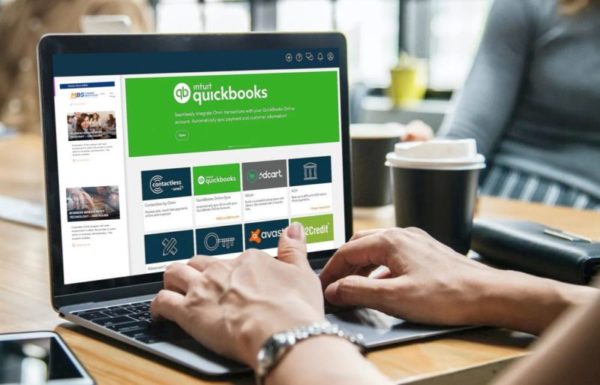
During vocational training, bookkeeping students get taught the basics of keeping books, including what each type of transaction means. In addition, they learn essential computer and skills using Quickbooks, MS Office, Excel, and other software to keep books accurately.

Other skills and personality traits that are helpful in this profession include paying attention to details, persistence, an eye for catching errors, and working quickly and accurately.

The Profession’s Growing Importance

According to recent findings, careers in bookkeeping and accounting rank among the top 100 professions in the United States. That means that job prospects for bookkeepers and accountants continue to be positive, even during a recession or economic downturn. Therefore, companies and individuals need to do their books regardless of economic conditions or other outside factors!

Opportunities And Salaries For Bookkeepers In New York

The demand for accounting and bookkeeping services is exceptionally high in New York City (NYC) because it’s the most highly populated metropolitan area in the US. We all know that NYC is constantly growing and changing, so the forecast bodes well for expanding opportunities and demands for qualified bookkeepers.

The average salary for a bookkeeper or accountant in the NYC area is $49,000-65,000 per year. However, that can vary depending on the level of experience and job responsibility. For example, higher-level employees could expect to earn $60-$80K.

The job outlook for those in the bookkeeping and accounting profession is among the best. As organizations grow and involve more stakeholders, they require computer-savvy specialists to ensure the books stay accurate and up-to-date.

Demand For Remote Workers Offers More Career Options

Additionally, the demand for bookkeepers who can work remotely, with flexible hours, is rapidly growing. For people who want a reliable career with high demand, pursuing a career as a bookkeeper is a logical decision.

MBS Career Institute provides the training and classes you need to launch a promising career, whether working locally in New York or working with clients remotely.